Changing what is
possible with access
to clean energy.
Behind every number is something electricity made possible.
Our iot telemetry tell us how much energy is represented. But its the stories of the people who use it that tell us why it matters. In the communities we serve, electricity can affect whether a clinic can respond at night, whether a business can remain open, and whether a family can continue its day after sunset.
 HEALTHCARE
For 18 months, a failed generator changed what happened when emergencies arrived at night.
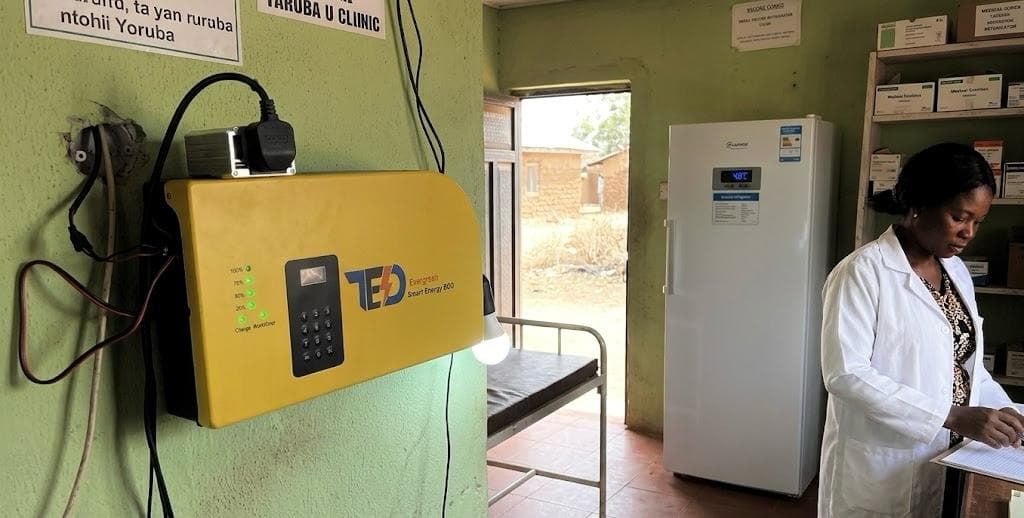
Shitelle Health Facility in Ugba serves its community with limited resources. When its fuel generator failed, the underfunded facility could not afford the dependable electricity needed to sustain care after dark.
For about 18 months, health workers referred patients who arrived with night-time emergencies to distant communities where electricity was available. Women in labour and other patients needing urgent attention faced another journey before they could receive care.
The electricity shortage also meant the facility could not preserve vaccines reliably or provide the level of healthcare its workers wanted to deliver. The failure of one generator affected the quality, timing and location of essential care across the community.
TEDIS Evergreen Foundation provided Shitelle Health Facility with TED Evergreen Smart Energy 900. The system now supports lighting for night-time care, vaccine preservation and more dependable service within the facility.
For a health facility, electricity is part of the infrastructure of care.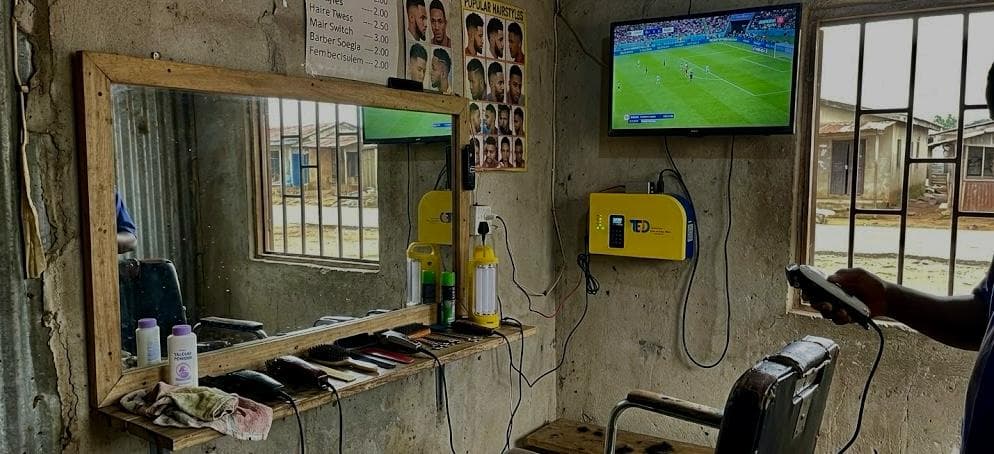 LIVELIHOODS
Fuel can keep a small business open, but the daily cost will reduce what the business earned.
Dooter's salon depended on a fuel generator for lighting, charging clippers and powering other equipment. He spent about ₦2,000 on fuel on an average working day, an expense that repeatedly ate into his income.
TED Evergreen Smart Energy 900 now powers the equipment he needs to work. The intervention has reduced his daily energy cost, removed the generator noise around his business and reduced the air pollution caused by burning fuel beside the salon, while providing aditional work hours.
 HOUSEHOLDS
We often hear about children who make it but never hear about those who do not!
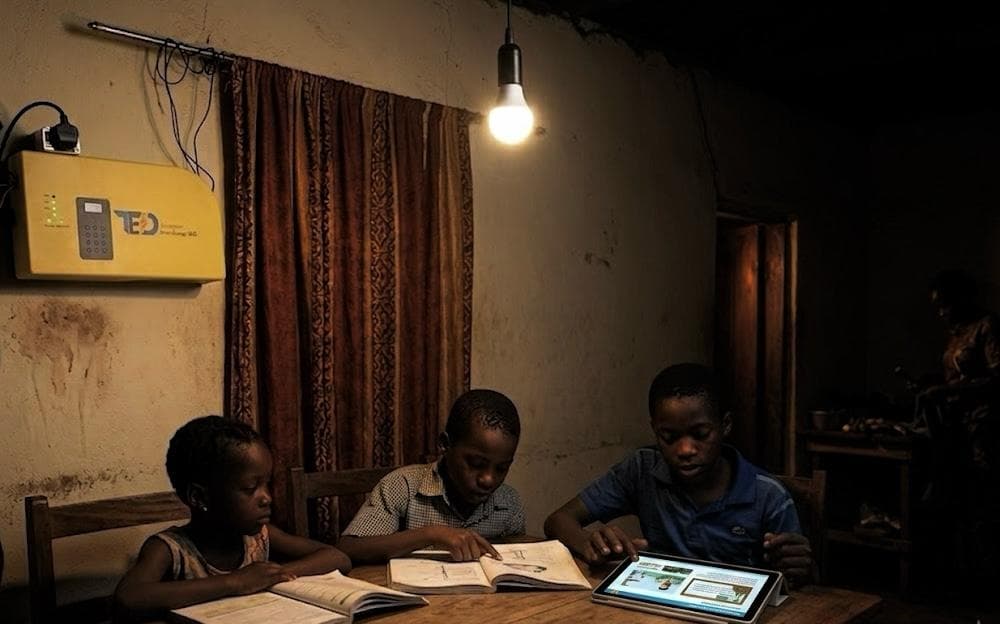
In the Ahula family, the children could not study properly at night. Darkness limited their reading time and access to digital learning tools.
Our intervention brought reliable lighting into their home. The children can now study after sunset, charge devices and use digital tools that support their learning.
For a child in a low-income household in a village without electricity, a little light can change the direction of their entire story.
 LAST-MILE ACCESS
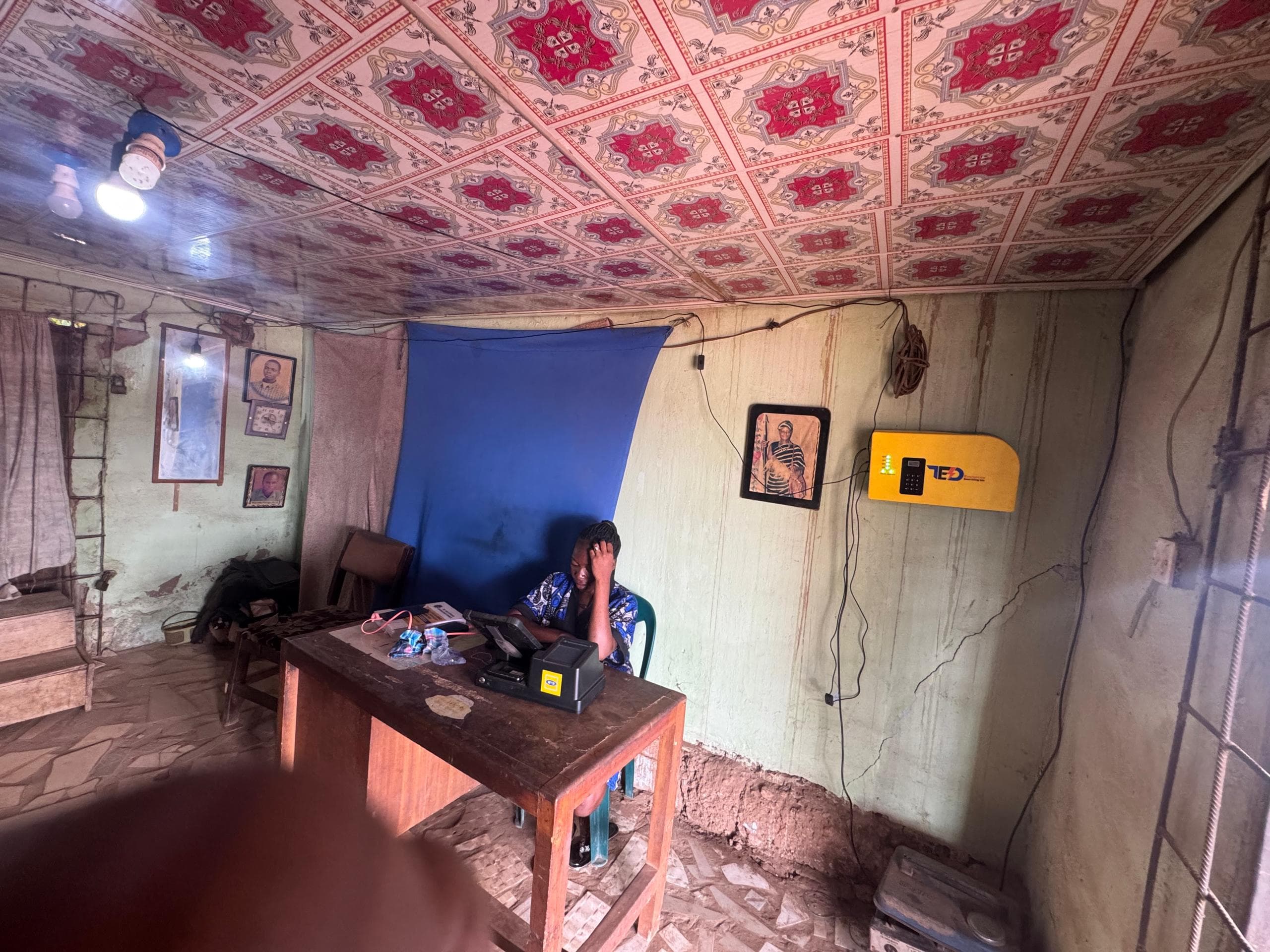
One portable system powers her work by day and her family at night.
Alice runs a SIM-card and online registration business. She relied on a fuel generator to keep phones, computers and other devices working for customers, making fuel a daily cost of earning an income.
TED Evergreen Smart Energy 900 now powers her business during working hours. When she closes for the day, she carries the portable system home, where it provides light and electricity for her family.
Electricity can change the direction of a person's story.
It can determine whether a health worker treats an emergency locally, whether a business owner keeps more of what they earn, whether a child studies after sunset and whether a family remains connected. Energy access is not only about powering equipment. It gives people more control over what happens next in their lives.

The consequences of energy poverty reach far beyond darkness.
A lack of reliable electricity can affect healthcare, livelihoods, education, digital access and the ability of essential facilities to serve the people around them.
The challenge is not simply that clean energy technology does not exist. For many people, the solutions already available remain financially or physically out of reach.
A small business may lose productive hours because running a generator is too expensive. A household may be unable to afford the upfront cost of a solar system. A school may struggle to use digital learning tools. A clinic without reliable electricity can face serious limitations when patients need care after dark.
In hard-to-reach communities, poor roads, weak infrastructure, difficult last-mile delivery, limited access to technicians and the cost of maintaining equipment can create additional barriers even when energy technology itself is available.
These are not separate problems. They are different ways that inadequate energy infrastructure can restrict opportunity.
We focus on people and facilities conventional energy solutions struggle to reach.
Low-income households
Families for whom the upfront cost of conventional solar can put reliable electricity beyond reach.
Microbusinesses
Small businesses whose productive hours and income opportunities can be constrained by unreliable power and recurring fuel costs.
Hard-to-reach communities
Communities where geography, infrastructure and last-mile delivery make conventional solutions difficult to deploy and support.
Community facilities
Clinics, schools and other essential facilities where dependable electricity can directly strengthen the services available to the surrounding community.
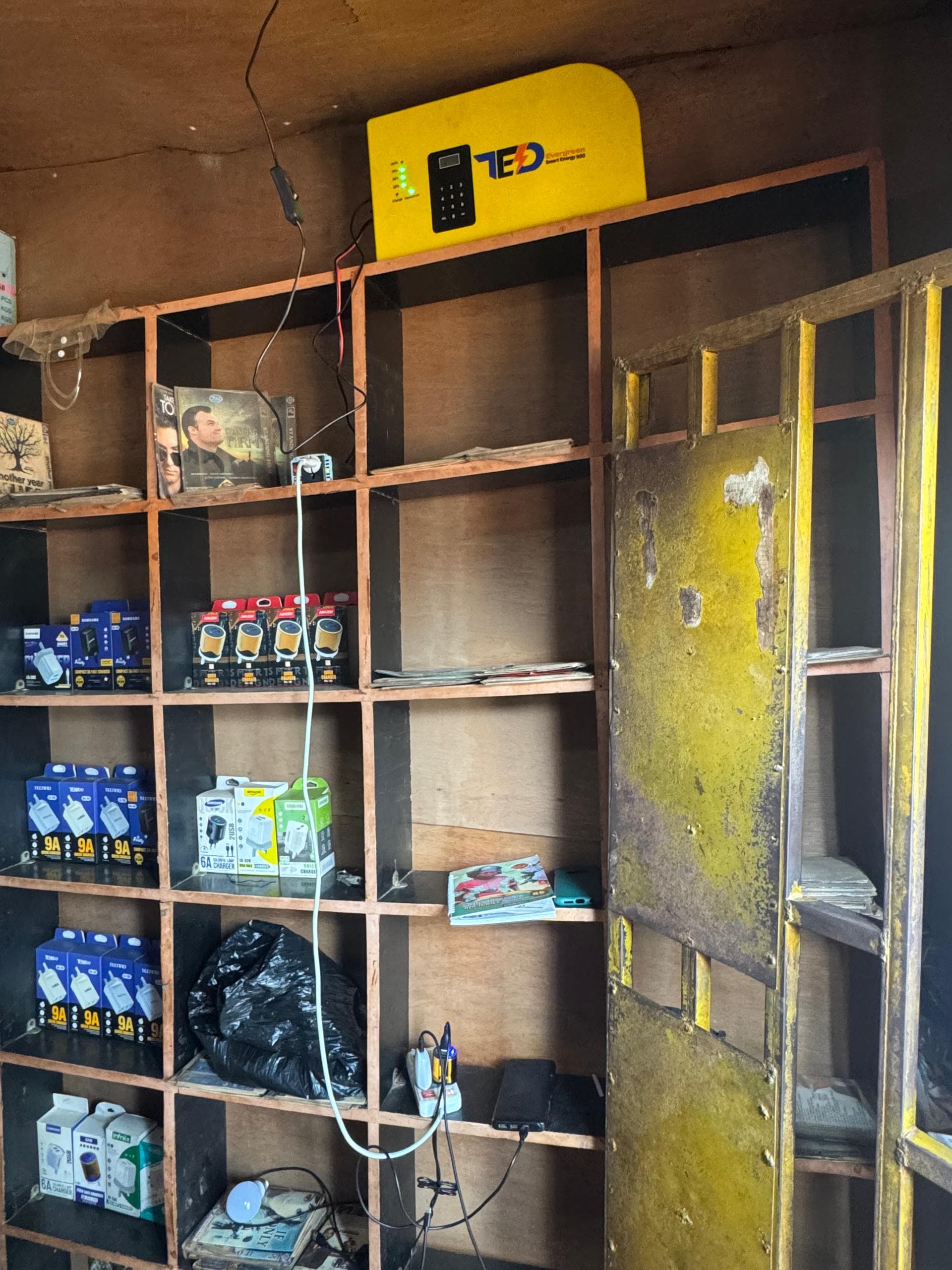
Removing the barriers between people and clean energy.
Our model is built around a simple question: if clean-energy technology already exists, what still prevents people from accessing it?
No prohibitive upfront cost.
TED Evergreen Smart Energy 900 systems are deployed to eligible beneficiaries without requiring the conventional purchase cost that can keep low-income households, microbusinesses and underserved facilities out of the solar market.
A $1 monthly contribution.
Beneficiaries make a small monthly contribution that supports the wider system around the hardware, including maintenance, replacement components, field support and long-term access.
Technology keeps us connected.
AI, IoT and digital tools support visibility across distributed systems, helping identify technical issues and coordinate support beyond the point of installation.
Circular by design.
Our approach connects energy access with recovery and responsible pathways for solar and electronic materials so that expanding access does not simply create another waste problem.
Progress you can measure.
We measure the scale of energy access alongside environmental and operational indicators that help us understand the network behind it.
People reached
People represented with access to clean electricity through our work.
Clean electricity represented daily
Estimated daily electricity across represented active systems.
Estimated CO₂ prevented daily
Modelled emissions avoided through decentralized clean electricity.
Waste recovered
Solar and electronic waste represented through recovery and recycling interventions.
The represented impact continues to grow.
These cumulative indicators are estimates calculated from the represented active network and the operating assumptions used in our impact model.
What electricity changes is easier to understand when you hear it from the people using it.
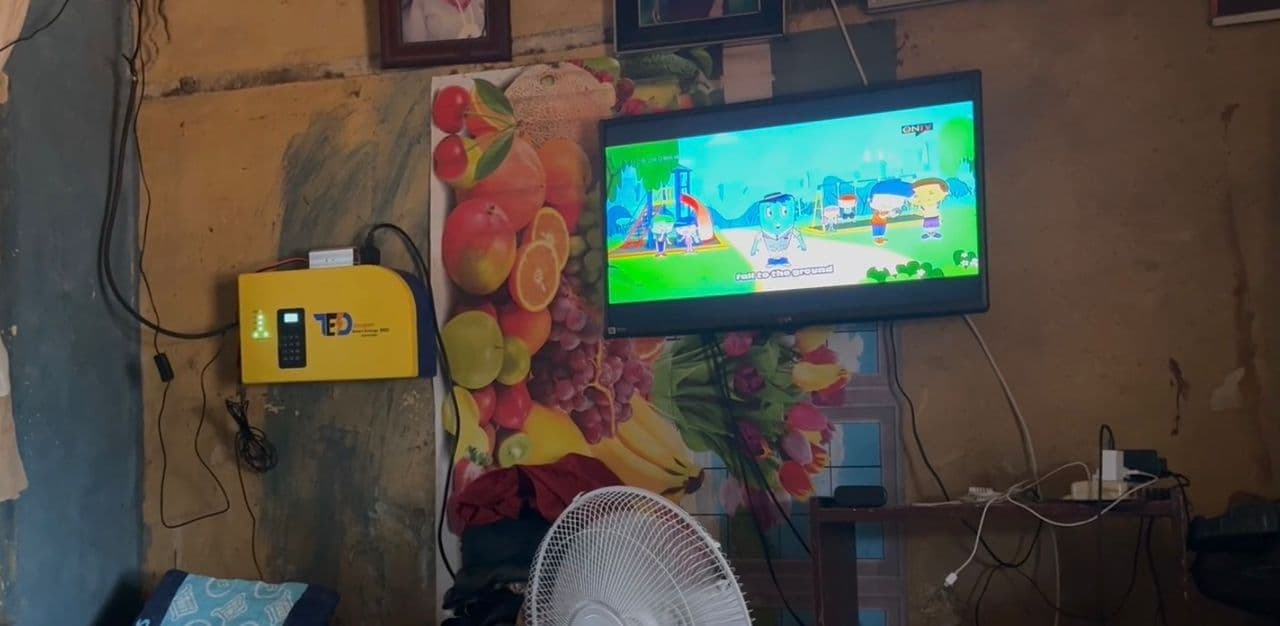
Reliable electricity is experienced in ordinary moments: being able to work, charge a device, use equipment, stay productive and continue daily life without waiting for power to return.
Expanding energy access should not create tomorrow's waste problem.
Our work connects clean-energy access with circular recovery. Solar and electronic materials that still have value should not simply become unmanaged waste.
Keep useful materials from becoming unmanaged waste.
Direct recoverable materials toward responsible pathways.
Use circular value to support wider clean-energy access.
Taking energy where conventional solutions struggle to reach.
Our community energy work focuses on places where affordability, infrastructure and last-mile access create barriers to reliable electricity.
Explore Community Network↗ENERGY
NETWORK
One energy system can affect much more than electricity.
Healthcare
Reliable electricity can help community health facilities keep essential lighting and equipment available when patients need care after dark.
Income
Reliable electricity can give microbusinesses more productive hours and reduce dependence on expensive fuel-powered alternatives.
Education
Lighting and charged digital devices can create more opportunities for reading, learning and accessing educational tools after sunset.
Digital inclusion
Electricity enables phones, computers, connectivity and the digital services increasingly important to modern economic and social participation.
Climate
Decentralized renewable electricity can reduce dependence on polluting alternatives while expanding energy access.
Installation should not be where visibility ends.
Our Community Energy Network provides visibility into represented systems, energy indicators and technical information so that energy access can be supported beyond deployment.
Explore the Network↗Progress matters.
But millions more should not have to wait.
Every number on this page represents progress. But it also reminds us how much further clean energy still needs to travel.
We are working toward a future where geography or income does not determine whether a clinic can care for someone after dark, a family can turn on a light, a child can use a digital learning tool, or a small business can remain productive.
Energy changes everything when people can actually access it.